
Red Sea Remote-site Workforce Planning Checklist
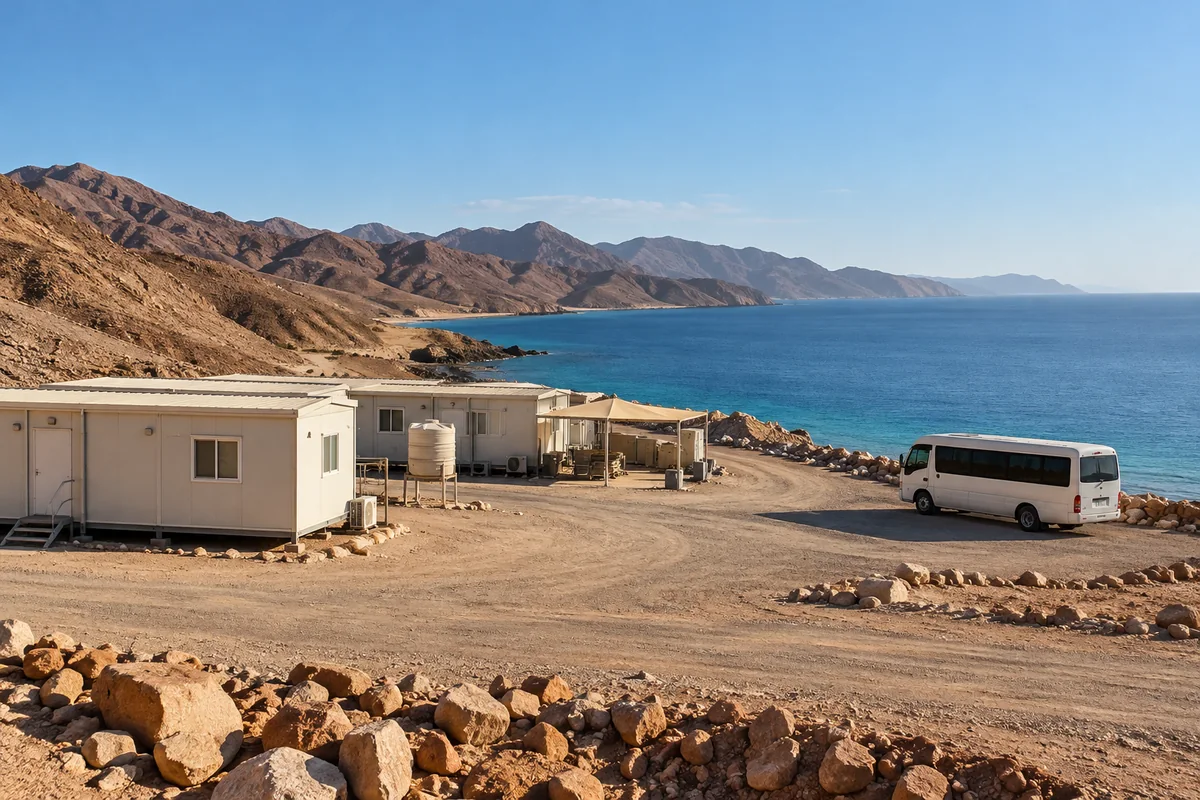
Remote-site workforce planning needs more than headcount. Employers should establish the actual work location, receiving arrangements, communication and accepted package before mobilising people. This Red Sea planning guide is distinct from candidate career advice and does not establish a developer or operator appointment.
Sources and planning guidance reviewed: 17 October 2026. This is educational recruitment guidance, not a current vacancy or an individual official-record check.
Describe the actual site and employer requirement
Identify the real employer, lawful roles, workfront or property stage and current headcount need. A destination name is not a vacancy, site-access permission or proof of a commercial relationship. If the requirement involves tourism occupations, review current localization and actual eligibility before planning overseas recruitment.
Confirm accommodation and transport assumptions
The employer should specify the actual agreed arrangements, readiness owner and practical route between accommodation and work. Proposed facilities must remain labelled proposed until genuinely available. Assess how location and travel affect the accepted package and schedule; do not illustrate planning assumptions as verified company camps or transport operations.
Plan communication and worker support
Identify how workers receive understandable joining instructions, reach the actual supervisor and raise concerns through a genuine route. Remote location makes clear receiving responsibility useful. Do not publish personal itineraries or invent local emergency numbers, clinics or company representatives; the employer must provide the real relevant arrangements.
Review rotations, changes and continuity
State actual roster and travel assumptions without inventing a universal rotation or statutory rule. Plan who acts when weather, access, accommodation or project dates change. Keep individual processing and site induction separate from the commercial recruitment discussion, and record a material change before it affects the worker’s accepted conditions.
Remote-site employer brief
| Topic | Actual input needed | Planning risk |
|---|---|---|
| Scope | Employer, lawful roles and real location | Destination mistaken for vacancy |
| Receiving | Accommodation readiness and owner | Proposed facility treated as ready |
| Transport | Real route and responsible arrangement | Unsupported travel assumption |
| Communication | Verified supervisor and concern route | Invented local representative |
| Continuity | Actual roster and change decision | Uncommunicated condition change |
Worked planning example
Illustrative case: a proposed remote-site wave depends on accommodation and access still awaiting employer confirmation. The planner keeps these conditions open and asks for the real receiving decision before travel. The page makes no claim that AL AHAD GROUP supplies a named developer or operates the site.
Practical next steps
- Confirm the genuine employer and eligible roles.
- Establish actual receiving readiness.
- Reconcile package and transport.
- Provide understandable private joining instructions.
- Review changes and individual site-readiness conditions.
Questions and answers
Does a Red Sea title prove project appointment?
No. Any actual relationship needs its own verified evidence.
Are proposed facilities confirmed accommodation?
No. Record their real status and responsible owner.
Does every tourism role permit overseas sourcing?
No. Check current localization and actual role requirements.
Does this page publish current vacancies?
No. It provides employer planning guidance.
Continue with related guidance
Official sources
Discuss your employer recruitment requirement
Send AL AHAD GROUP the actual employer, Saudi work location, roles, headcount, required experience, package and proposed joining needs. Use the established employer inquiry for recruitment scope; private official-account and candidate record questions follow their appropriate routes.