
Trade Test Equipment and Safe Assessment Boundaries
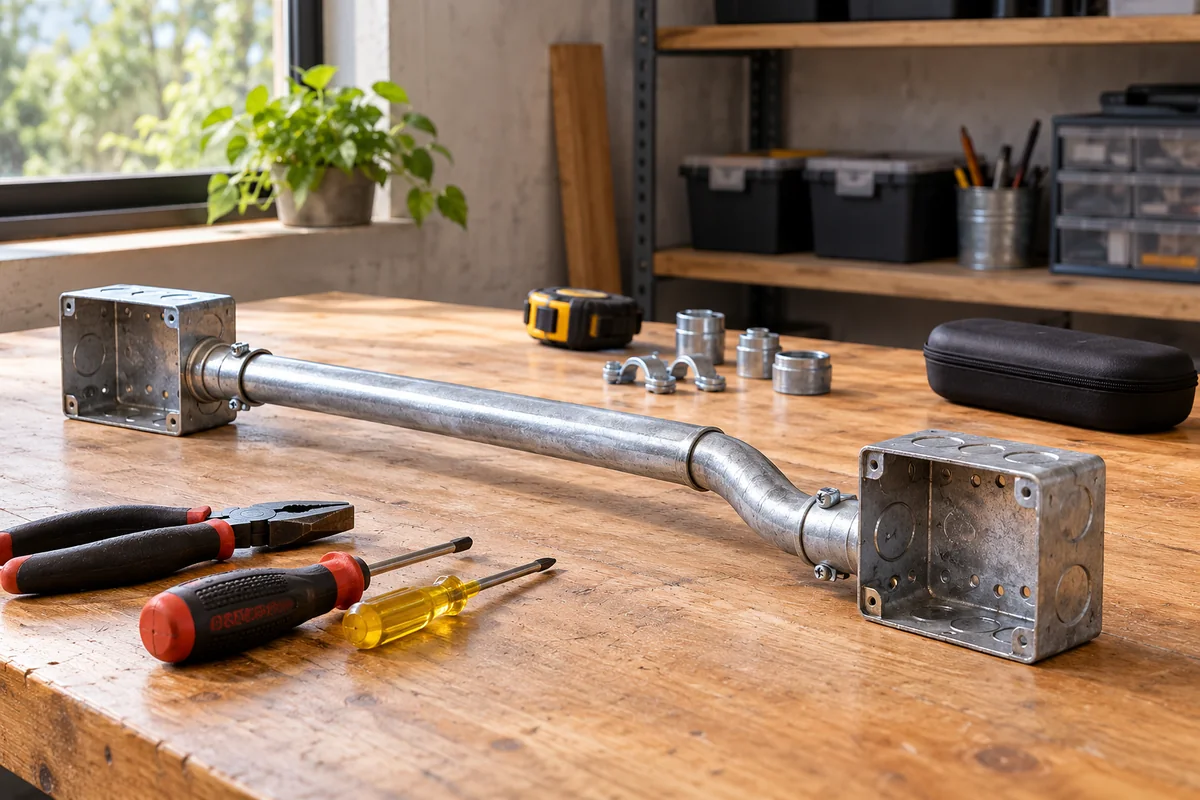
An assessment must not become an improvised hazardous demonstration. Before a private work sample, the responsible employer and competent assessor need to decide whether the setting, equipment and supervision are appropriate. This planning checklist does not supply a technical operating procedure.
Sources and planning guidance reviewed: 17 October 2026. This is educational recruitment guidance, not a current vacancy or an individual official-record check.
Match the exercise to a suitable setting
Identify what the employer actually needs to learn and whether a discussion, drawing exercise or controlled non-hazardous sample can establish it. Do not introduce live energy, height, pressure, moving machinery or hazardous substances merely to make a test look realistic. The competent safety review must determine whether any proposed activity is appropriate.
Make equipment responsibility explicit
Name the owner responsible for equipment suitability, condition and any required checks. Confirm that instructions, protective arrangements and the assessment area are appropriate to the task. The presence of a hard hat or tool does not establish a safe system of work. Missing equipment information is an unresolved condition, not a reason to ask a candidate to improvise.
Give people authority to stop
Explain the scope and limits to the candidate and assessor. Set the reporting route for a hazard, misunderstanding, equipment issue or task outside competence. A candidate who identifies a genuine unsafe condition should not be pushed into proceeding to obtain a pass. Record why the activity stopped and what the employer can reasonably conclude.
Keep safety and competence conclusions separate
An assessment cancelled because the setting was unsuitable establishes no practical result. A successful controlled sample establishes only its observed scope. Later workplace induction, task authorization and official requirements remain separate. Use HRSD occupational safety provisions as relevant official context, with task-specific decisions made by competent responsible parties.
Pre-assessment boundary check
| Area | Responsible check | If unresolved |
|---|---|---|
| Purpose | Evidence needed and safer suitable method | Redesign the sample |
| Equipment | Suitability and accountable owner | Do not improvise |
| Environment | Area and necessary safeguards | Defer unsuitable activity |
| People | Competence, briefing and supervision | Resolve before starting |
| Stop route | Authority and reporting | Record a bounded incomplete outcome |
Worked planning example
Illustrative case: a proposed demonstration requires equipment whose condition and controls are unknown. The assessor defers the practical task and uses a relevant discussion within its limits. The report says practical evidence remains outstanding; it does not convert the discussion into a completed hands-on pass.
Practical next steps
- Clarify the evidence needed.
- Choose an appropriate assessment method.
- Confirm competent safety and equipment ownership.
- Explain limits and stop authority.
- Record the actual outcome without inflating its scope.
Questions and answers
Is this a technical safety procedure?
No. A competent responsible party must determine task-specific controls.
Can PPE alone make an exercise suitable?
No. Review the whole task, setting, equipment and supervision.
Does a cancelled assessment establish failure?
No. Record the actual reason and unresolved evidence.
Can private assessment replace site induction?
No. Workplace readiness and site authorization remain separate.
Continue with related guidance
Official sources
Discuss your employer recruitment requirement
Send AL AHAD GROUP the actual employer, Saudi work location, roles, headcount, required experience, package and proposed joining needs. Use the established employer inquiry for recruitment scope; private official-account and candidate record questions follow their appropriate routes.